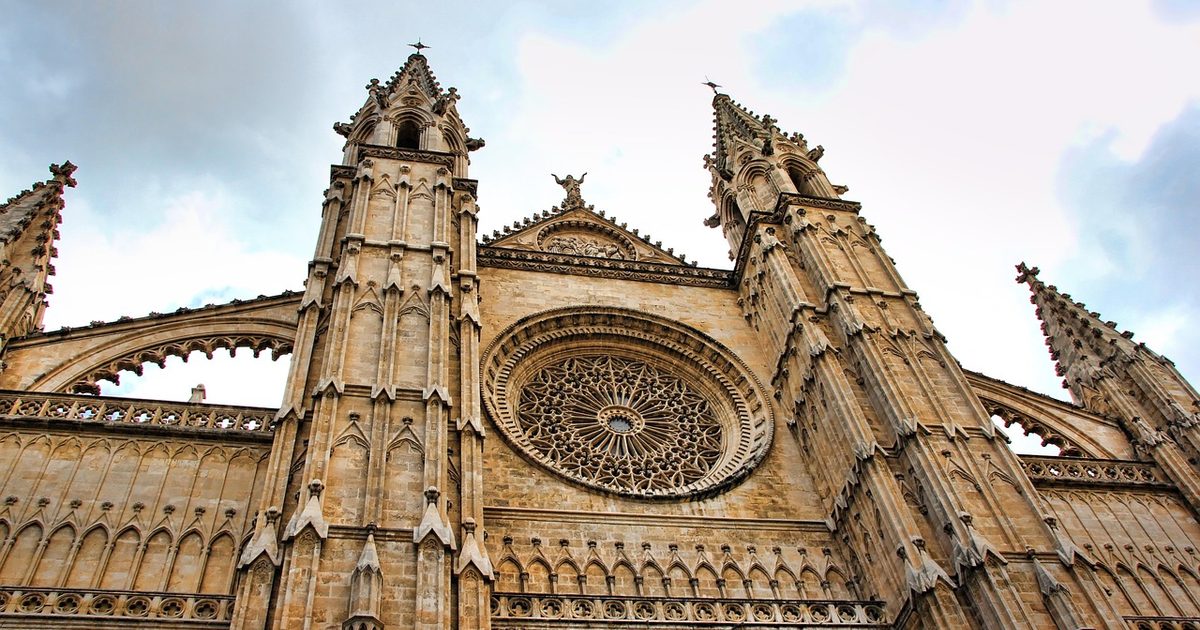
Mallorca has long attracted British buyers and retirees who want Mediterranean island life without sacrificing quality infrastructure. Palma de Mallorca, the island’s capital, combines a beautiful old town, year-round direct flights to the UK, a large and long-established British community, and a range of neighbourhoods from upscale golf estates to lively local market districts. This guide covers the specific local detail — neighbourhoods, hospitals, transport, and costs — as a companion to our <a href="/guides/retire-in-spain">full Spain retirement guide</a>.
Key takeaways
- Palma Airport (PMI) has year-round direct UK flights including regional airports; it is one of Spain’s best-connected airports for British retirees
- A medium lifestyle costs around £2,600/month for a couple (illustrative and approximate, sourced as of June 2026)
- Hospital Son Espases (public, via S1) and Clínica Rotger and Quironsàlud Palmaplanas (private) are the main hospitals
- A car is essential outside central Palma; the Calvià urbanisations (Santa Ponsa) are strongly car-dependent
- Tourist let licences are heavily restricted on the island — important context for any buy-to-let planning
- This is general information, not personal financial, tax or immigration advice
Expat neighbourhoods: where British retirees live
British retirees on Mallorca are spread between Palma city and several well-known residential areas on the island:
- Son Vida — An exclusive gated urbanisation on a hill above Palma with panoramic bay views and three golf courses. The most prestigious residential address on the island, with large detached villas and a high density of wealthy international residents. Very private, very quiet, car-essential.
- Gènova — A hillside village suburb immediately west of Palma, popular with British families and retirees who want proximity to the city but a quiet, leafy setting. Good restaurants and a local feel while being ten minutes by car from the city centre.
- Santa Catalina — A trendy inner-city neighbourhood with a vibrant street market (Mercat de Santa Catalina), excellent cafés and restaurants, and a lively local social scene. Popular with younger retirees who want urban life. Walkable to the waterfront.
- El Terreno / Joan Miró — A seafront neighbourhood west of the old town with an established expat presence going back decades. Older apartment stock at slightly lower prices than the old town, with direct sea views.
- Calvià municipality (Santa Ponsa, Costa d’en Blanes, Camp de Mar) — The south-west of the island, centred on the Calvià municipality, has long been the most British part of Mallorca outside Palma itself. Santa Ponsa, Peguera, and Costa d’en Blanes are popular for villas and townhouses at prices below Palma city.
Healthcare & hospitals
S1 cover provides access to the Balearic public health system at UK cost — see the Spain country guide for registration. Mallorca’s hospital provision is concentrated in Palma:
- Hospital Universitari Son Espases (public) — The main public hospital for the Balearic Islands, a large modern facility on the western edge of Palma with full acute and specialist services. S1-registered retirees on the island are typically covered here.
- Hospital Universitari Son Llàtzer (public) — A second major public hospital in Palma, covering the eastern part of the city’s health zone.
- Clínica Rotger (private) — Well-established private hospital in central Palma, popular with expats for elective procedures, diagnostics, and outpatient consultations. Good English-language service.
- Hospital Quironsàlud Palmaplanas (private) — Private hospital with a broad specialist range, frequently used by the island’s international community.
- Clínica Juaneda Miramar (private) — Another private option in Palma with a long track record of serving both local and international patients.
Private health insurance for a retiree in their 60s typically costs €90–€160 a month in Mallorca (illustrative, June 2026).
Transport: getting around and back to the UK
Palma de Mallorca Airport (PMI) is one of the busiest airports in Spain and among the best connected to the UK of any on this list. Year-round direct scheduled and low-cost services cover Heathrow, Gatwick, Stansted, Luton, Manchester, Birmingham, Bristol, Glasgow, Edinburgh, and Belfast, plus dozens of regional airports, especially in peak season. Flight time to London is approximately 2 hours 20 minutes. The airport is 8 km from the city centre; the number 1 airport bus reaches Plaça d’Espanya in around 30 minutes.
On the island itself a car is strongly recommended for anyone living outside central Palma. The island’s bus network (Consorci de Transports de Mallorca) covers most towns but frequencies can be infrequent, and the popular residential urbanisations are car-dependent. Palma city itself is very walkable and has a hire-bike scheme. A vintage-style electric train (Ferrocarril de Mallorca) links Palma to Sa Pobla and Manacor, useful for exploring the interior. For getting between the Balearic Islands, fast ferry services connect Palma to Menorca and Ibiza.
Property costs (illustrative, June 2026)
All figures are approximate and illustrative, sourced as of June 2026. Mallorca has seen strong price growth in recent years, particularly in Palma city and the south-west coast; some areas are now comparable with coastal cities on the mainland.
| Area | Buy: 1-bed apt | Buy: 2-bed apt | Rent: 1-bed/mo |
|---|---|---|---|
| Son Vida (villa market) | €500k+ | €800k+ | €2,000+ |
| Palma old town / centre | €250k–€400k | €360k–€580k | €950–€1,500 |
| Gènova / El Terreno | €190k–€300k | €270k–€430k | €800–€1,200 |
| Calvià (Santa Ponsa) | €200k–€340k | €280k–€480k | €850–€1,300 |
Note that Mallorca imposes a tourist tax (Ecotaxa) on holiday lets; long-term residential rentals are subject to normal Spanish rental law and not this tax. Tourist let licences are heavily restricted on the island, which affects the buy-to-let market but not those renting as long-term residents.
Cost of living (illustrative monthly budget, couple)
All figures are approximate and illustrative, sourced as of June 2026. Costs are broadly mid-range for this guide: more expensive than Torrevieja or Alicante, cheaper than Barcelona or Marbella. Summer months can push dining and leisure costs higher due to tourist-season pricing.
| Monthly item (couple) | Basic | Medium | High |
|---|---|---|---|
| Rent (1–2 bed) | £700 | £1,050 | £2,000 |
| Utilities & internet | £140 | £190 | £270 |
| Groceries | £340 | £450 | £600 |
| Eating & drinking out | £160 | £300 | £560 |
| Healthcare / insurance | £85 | £130 | £220 |
| Transport (car + fuel) | £130 | £210 | £380 |
| Leisure & miscellaneous | £150 | £270 | £500 |
| Total per month | £1,705 | £2,600 | £4,530 |
A medium lifestyle on Mallorca costs around £2,600 a month for a couple. Use our retirement projection tools to stress-test your pension income against local costs and currency risk, or consult a regulated adviser with Balearic and UK cross-border experience.
All figures are illustrative and approximate, sourced as of June 2026. This is general information, not personal financial, tax or immigration advice.
Important: This guide is for general educational purposes only and does not constitute financial advice. Tax rules can change and individual circumstances vary. If you need advice tailored to your situation, please consult a qualified, FCA-regulated financial adviser. You can browse advisers in our adviser directory.