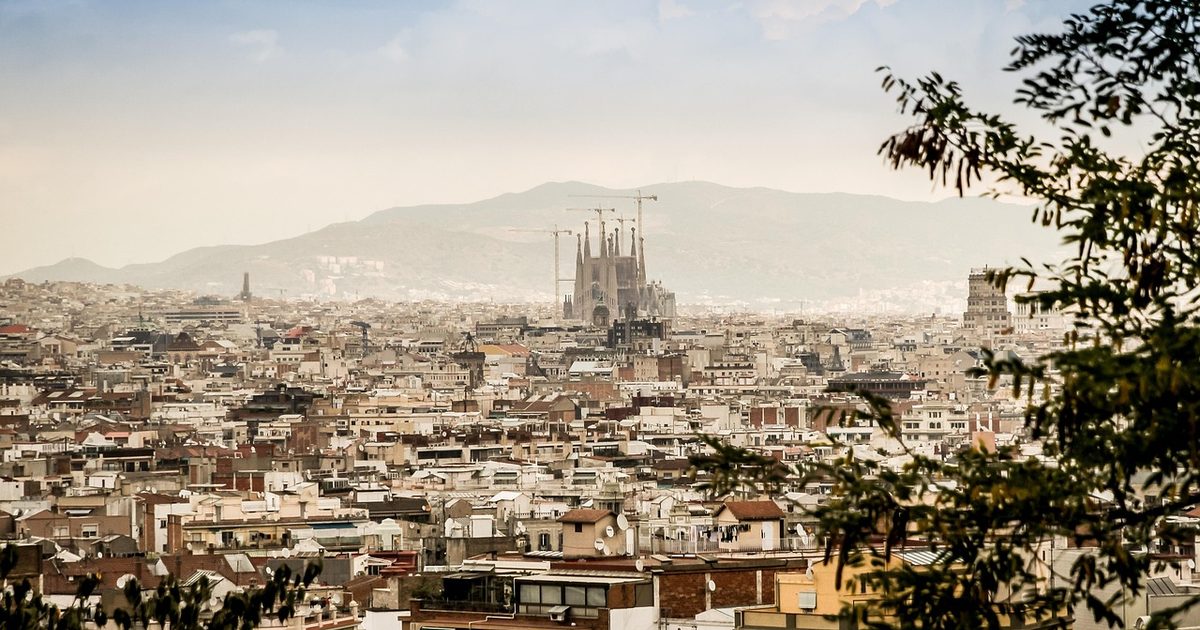
Barcelona is Spain’s most cosmopolitan city and the most expensive on this list. Its architecture, food, culture, and beach access make it uniquely appealing, and its large, well-established expat community makes the transition from the UK smoother than most Spanish destinations. For those priced out of the city itself, the coastal town of Sitges, 35 km south, offers a smaller-scale alternative with the same airport and rail connections. This guide covers the specific local detail — neighbourhoods, hospitals, transport, and costs — as a companion to our <a href="/guides/retire-in-spain">full Spain retirement guide</a>.
Key takeaways
- Barcelona is Spain’s most cosmopolitan city with world-class medical infrastructure and excellent transport, but the highest property costs in this guide
- Barcelona El Prat Airport (BCN) has direct daily flights to all major UK airports; AVE reaches Madrid in 2 h 30 m
- A medium lifestyle costs around £3,030/month in Barcelona city, or around £2,400 in nearby Sitges
- Gràcia is the most popular neighbourhood for British retirees; Sitges offers a smaller-town coastal alternative
- Hospital Clínic (public, via CatSalut/S1) and Quironsàlud Barcelona (private) are the key hospitals
- This is general information, not personal financial, tax or immigration advice
Expat neighbourhoods: where British retirees live
Barcelona has several distinct expat-popular neighbourhoods, each with its own character:
- Gràcia — A village-within-the-city feel, with wide terraces on the Plaça del Sol, a Saturday food market, and a high density of English-speaking social networks. The most popular Barcelona neighbourhood for British and northern European retirees who want community, walkability, and culture without the tourist crowds of the Gothic quarter.
- El Born / Sant Pere — The historic medieval quarter east of the Gothic, now filled with galleries, boutiques, and excellent restaurants. More expensive than Gràcia but very well located for the beach (Barceloneta is walkable) and cultural institutions.
- Sarrià-Sant Gervasi — An affluent hillside district in the upper city, quieter and greener than the Eixample, popular with established international families and older retirees who want space and calm. Higher property values.
- Eixample (L’Esquerra and Dreta) — The famous grid district with Modernista architecture. Good transport, wide pavements, and excellent shopping. A classic choice for those who want central Barcelona living.
- Sitges — 35 km south by train, Sitges is a whitewashed coastal town with a long beach, a prominent LGBTQ+ community, and a sizeable British and international resident population. Property is slightly lower than Barcelona city. A very different pace of life but only 40 minutes from Barcelona Sant station by Rodalies train.
Healthcare & hospitals
S1 cover provides access to the Catalan public health system (CatSalut) at UK cost — see the Spain country guide for registration. Barcelona’s medical infrastructure is among the best in Europe:
- Hospital Clínic de Barcelona (public) — One of Spain’s most respected university hospitals, with world-class research and clinical departments across all major specialisms. S1-registered retirees in Barcelona are served through the CatSalut network.
- Hospital de la Vall d’Hebron (public) — Another major public reference hospital in the upper city, known for trauma, transplants, and oncology.
- Hospital Quironsàlud Barcelona (private) — Large private hospital in the Diagonal district with full acute capability and well-organised international patient services.
- Hospital Sagrat Cor (private) — Established private hospital in the Eixample, popular with expats for surgical procedures and diagnostics.
- Teknon Medical Centre (private) — High-end private hospital in the Sarrià area, noted for cardiac and orthopaedic care. Favoured by the wealthier international community.
Private health insurance in Barcelona typically costs €100–€190 a month for a retiree in their 60s (illustrative, June 2026).
Transport: getting around and back to the UK
Barcelona-El Prat Airport (BCN) is a major European hub with daily direct scheduled flights to Heathrow, Gatwick, Stansted, Luton, Manchester, Birmingham, Edinburgh, and Glasgow, plus many additional routes on low-cost carriers. Flight time to London is approximately 2 hours 10 minutes. The airport is 12 km from the city centre; the Aerobus coach reaches Plaça de Catalunya in about 35 minutes, and the L9 Sud metro line connects to several transfer points.
Girona-Costa Brava Airport (GRO), 100 km north, is a Ryanair hub with additional low-cost UK routes — a useful alternative for some routes, though it requires a bus connection to central Barcelona or Girona.
Within Barcelona the public transport network is excellent: Metro (12 lines), FGC suburban rail, Rodalies commuter rail, bus, and tram. The Rodalies R2 South and R2 Nord lines also serve Sitges from Barcelona Sant station (under 40 minutes). AVE high-speed rail from Barcelona Sants reaches Madrid in 2 h 30 m, Valencia in 1 h 35 m, and Paris in about 6 hours. If you prefer a smaller-city Mediterranean feel at lower cost, compare with our guide to retiring to Valencia.
Property costs (illustrative, June 2026)
All figures are approximate and illustrative, sourced as of June 2026. Barcelona has some of the highest residential property prices in Spain; Sitges is somewhat lower but has also risen sharply.
| Area | Buy: 1-bed apt | Buy: 2-bed apt | Rent: 1-bed/mo |
|---|---|---|---|
| Gràcia | €300k–€450k | €420k–€650k | €1,100–€1,600 |
| Eixample (Esquerra) | €280k–€420k | €400k–€620k | €1,050–€1,500 |
| Sarrià-Sant Gervasi | €350k–€550k | €500k–€850k | €1,300–€2,000 |
| Sitges | €220k–€360k | €310k–€520k | €900–€1,350 |
Cost of living (illustrative monthly budget, couple)
All figures are approximate and illustrative, sourced as of June 2026. Barcelona is the most expensive Spanish city in this guide for day-to-day costs as well as property.
| Monthly item (couple) | Basic | Medium | High |
|---|---|---|---|
| Rent (1–2 bed) | £900 | £1,400 | £2,500 |
| Utilities & internet | £150 | £200 | £280 |
| Groceries | £350 | £460 | £620 |
| Eating & drinking out | £200 | £360 | £650 |
| Healthcare / insurance | £90 | £150 | £260 |
| Transport (public) | £70 | £130 | £280 |
| Leisure & miscellaneous | £180 | £330 | £620 |
| Total per month | £1,940 | £3,030 | £5,210 |
A medium lifestyle in Barcelona costs around £3,030 a month for a couple. Sitges trims this to roughly £2,400 on a comparable lifestyle. Use our retirement projection tools to test your income and investment drawdown against a long-horizon plan, and consult a regulated adviser who understands both UK and Spanish tax — especially important for those with larger investment portfolios or property in both countries.
All figures are illustrative and approximate, sourced as of June 2026. This is general information, not personal financial, tax or immigration advice.
Important: This guide is for general educational purposes only and does not constitute financial advice. Tax rules can change and individual circumstances vary. If you need advice tailored to your situation, please consult a qualified, FCA-regulated financial adviser. You can browse advisers in our adviser directory.