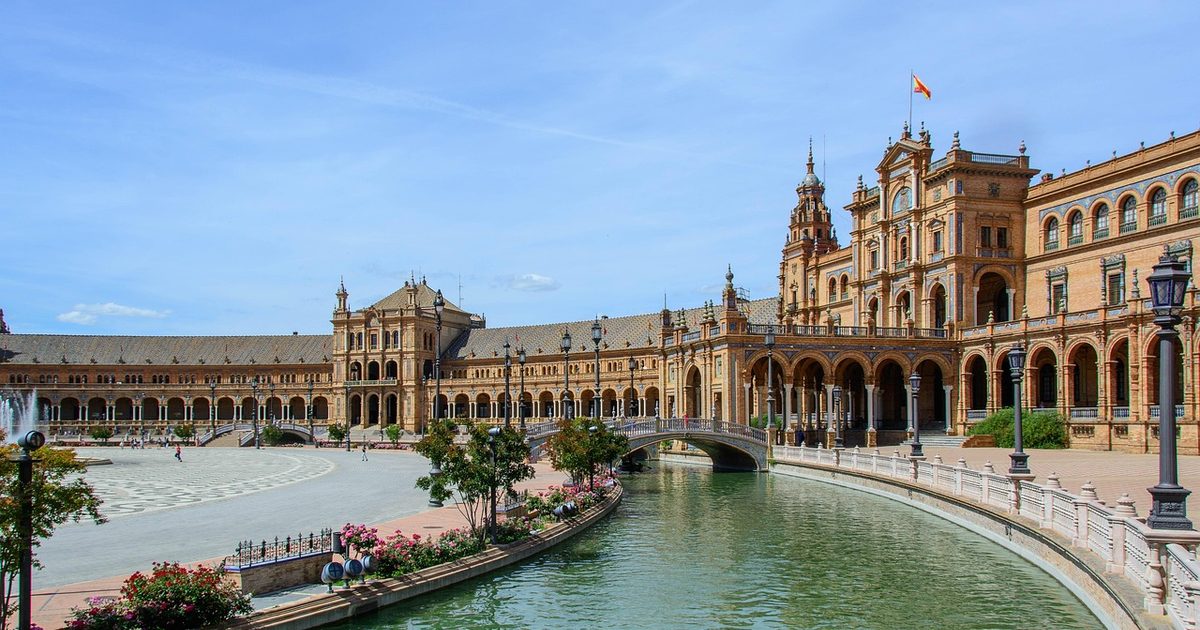
Since Brexit, UK nationals are third-country nationals in the EU — free movement is gone, and even Spain and France now require a residence visa. So which destinations are easiest to actually move to? We have ranked twenty retirement routes by how hard they are for a UK citizen to qualify for, from 'just move' to 'almost impossible'.
Key takeaways
- Since Brexit, UK nationals need a residence visa for every EU country — free movement is gone
- Ireland is the easiest by far: the Common Travel Area means no visa, no permit and no income threshold
- Portugal's D7 (~€870/mo) has the lowest EU income bar; Cyprus and Bulgaria are also modest
- Greece, Italy, the UAE and Malaysia set high income or deposit bars
- Australia, New Zealand, Canada and the USA have NO retirement visa — family or investment routes only
- Most routes also require private health cover; thresholds are illustrative and consulate-dependent as of June 2026
Brexit changed the rules
Before 2021, a Briton could retire anywhere in the EU on a whim. Now you are a third-country national, and every EU destination requires a residence visa — typically a non-lucrative or passive-income permit with a minimum income threshold and private health cover. The thresholds vary enormously, and that variation is what really decides where the average UK retiree can go. Check your own income against the bars below, and model whether your pension clears them with our financial planning tools.
Retirement routes ranked by difficulty (2026)
The main retiree route for each destination, with the rough income or asset bar. Thresholds are illustrative and approximate, sourced as of June 2026, and consulate-dependent. Each links to its full guide.
| Destination | Main retiree route | Rough bar | Difficulty |
|---|---|---|---|
| Ireland | Common Travel Area — just move | None | Easiest |
| Portugal | D7 passive-income visa | ~€870/mo | Easy |
| Cyprus | Category F (persons of independent means) | ~€9,600–10,000/yr | Easy |
| Bulgaria | Type D visa then residence (pensioner of means) | Modest | Easy |
| France | VLS-TS 'visitor' long-stay visa | ~€1,400/mo | Moderate |
| South Africa | Dedicated Retired Person's visa | ~R37,000/mo | Moderate |
| Mexico | Temporary Resident visa | ~US$2,600–3,000/mo | Moderate |
| Thailand | Non-Immigrant O/O-A retirement visa (over-50s) | ฿800k deposit / ฿65k/mo | Moderate |
| Spain | Non-lucrative visa (NLV) | ~€2,400/mo | Moderate |
| Greece | Financially Independent Person (FIP) visa | ~€3,500/mo | Higher bar |
| Italy | Elective Residence Visa (ERV) | ~€31,000/yr single | Higher bar |
| UAE (Dubai) | Retirement visa for over-55s | ~AED20,000/mo | Higher bar |
| Malaysia | Malaysia My Second Home (MM2H) | Large fixed deposit | Higher bar |
| Australia, New Zealand, Canada, USA | No retirement visa — family sponsorship or investment only | Not income-based | Hardest |
The easy wins
Ireland is in a class of its own. Under the Common Travel Area — which pre-dates the EU and survived Brexit — British citizens can live, work, access healthcare and claim social security in Ireland with no visa, no residence permit and no income threshold. You simply move. After that, Portugal's D7 has the lowest income bar in the EU (around €870 a month), while Cyprus and Bulgaria also set modest thresholds. These are the realistic options for retirees on an average UK pension.
The high bars and the closed doors
At the other end, Greece (~€3,500/mo) and Italy (~€31,000/yr) set high income bars, and the UAE and Malaysia demand substantial income or deposits. Hardest of all are the English-speaking favourites: Australia, New Zealand, Canada and the USA have no retirement visa whatsoever. The only realistic routes are family sponsorship (if you have a settled adult child) or a substantial business/investment visa. Many would-be retirees to these countries are blocked not by money but by the simple absence of a route — a crucial reality check before you build plans around them.
Match the visa to your income
The right destination is often the one whose visa you can actually clear. Line up your pension and savings against the thresholds, remember most routes also require private health cover, and always confirm the current rules with the destination's consulate before committing. A regulated financial adviser can help structure your income to meet a threshold, and our complete guide to retiring abroad from the UK covers the visa picture alongside cost, tax, healthcare and your pension.
Every figure here is illustrative and approximate, sourced as of June 2026, and the rules change. This is general information, not personal financial, tax, immigration or legal advice — take regulated advice before you act.
Important: This article is for general educational purposes only and does not constitute financial advice. Tax rules can change and individual circumstances vary. If you need advice tailored to your situation, please consult a qualified, FCA-regulated financial adviser. You can browse advisers in our adviser directory.