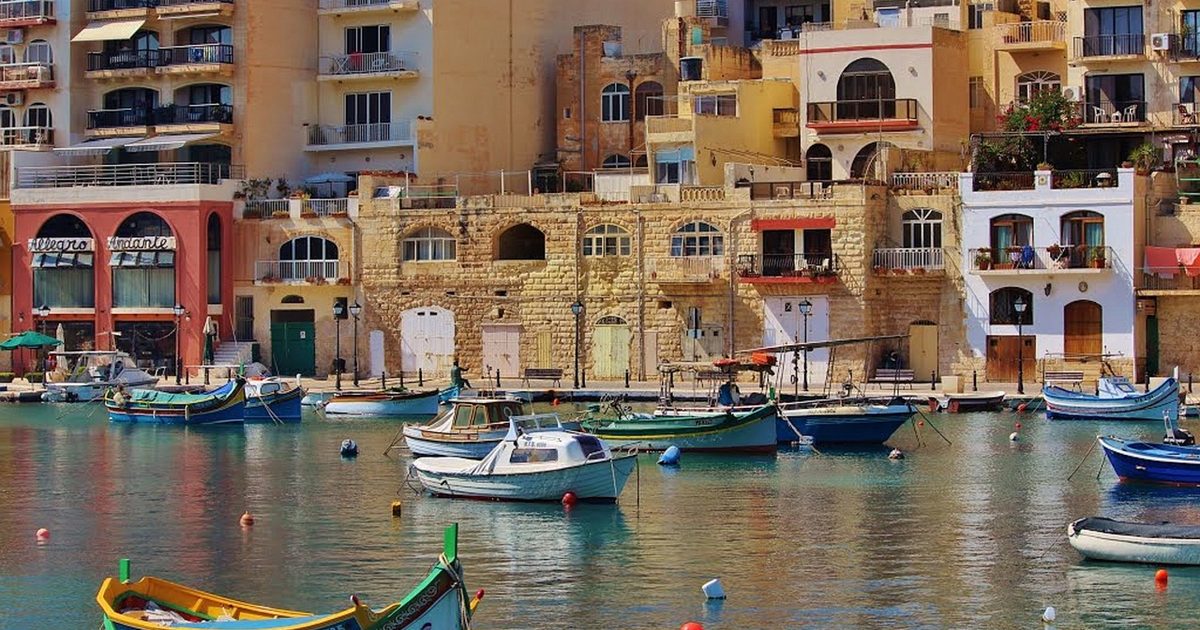
Malta offers an unusual combination: a small English-speaking island with deep British roots, excellent weather, and a cost of living noticeably below the UK average. A couple needs around <strong>£2,300 a month</strong> in 2026 for a comfortable lifestyle. Below is the itemised budget, the headline pros and cons, and a key note on your UK State Pension.
Key takeaways
- A couple can retire comfortably in Malta on about £2,300/month (medium lifestyle)
- Three-tier budgets run from a basic to a high-spending lifestyle (illustrative and approximate, sourced as of June 2026)
- Your UK State Pension stays uprated — it is not frozen in the EEA
- English is an official language, and the Malta Retirement Programme taxes remitted pensions at a flat 15%
- Currency moves between the pound and euro are the main budgeting risk
- Information only, not personal financial advice
What £2,300/month buys in Malta
Malta is a small island so costs are fairly consistent across the country, though Valletta and the northern harbour towns tend to be slightly pricier. The table below gives realistic figures for a couple at three spending levels. At the Medium level — around £2,300 a month — you get a comfortable apartment, regular dining out, and a decent social life without stretching the budget.
| Monthly cost (couple) | Basic | Medium | High |
|---|---|---|---|
| Rent (1–2 bed) | £750 | £1,150 | £2,000 |
| Utilities & internet | £140 | £190 | £270 |
| Groceries | £340 | £440 | £590 |
| Healthcare / insurance | £90 | £130 | £210 |
| Transport | £60 | £100 | £220 |
| Leisure & dining | £130 | £290 | £560 |
| Monthly total (GBP) | £1,510 | £2,300 | £3,850 |
| Monthly total (EUR) | €1,767 | €2,691 | €4,504 |
| Annual total (GBP) | £18,120 | £27,600 | £46,200 |
Figures are for a couple, in pounds per month, and are illustrative and approximate, sourced as of June 2026 at an illustrative exchange rate of £1 ≈ €1.17 (€1 ≈ £0.86). Cost-of-living lines draw on Numbeo and local cost indices; exchange rates and prices move, so treat these as a planning starting point, not a quote. This is information, not personal financial advice.
The headline pros and cons
The quick case for and against retiring in Malta as a UK national:
Strengths
- State Pension stays uprated (EEA)
- English is an official language
- Remittance basis for non-doms
- MRP offers a flat 15% on remitted pensions
Weaknesses
- High rents in Sliema / St Julian’s
- Many goods imported and pricier
- MRP carries a minimum-tax floor
- Islands can feel crowded in summer
Opportunities
- Quieter, cheaper living on Gozo
- Short flights keep family visits easy
- Strong rental market to trial an area
Threats
- Sterling/euro swings erode pension income
- Possible UK Inheritance Tax exposure
- Property and bureaucracy pitfalls without advice
Your State Pension — and the bottom line
Malta sits within the EEA, which means your UK State Pension goes on rising each year under the triple lock — fully uprated, not frozen. In contrast to destinations like Thailand or Turkey, where the pension is fixed the day you leave the UK, Malta leaves your State Pension income growing in real terms for the rest of your retirement.
The big variable is the exchange rate: your sterling pensions buy a changing number of euros, so it is worth running a long-term projection that includes currency swings, and taking advice from a regulated adviser on cross-border tax. For the full picture on residence, tax and healthcare, read our companion guide to retiring in Malta.
This guide is general information, not personal financial, tax, immigration or legal advice. Every figure is illustrative and approximate, sourced as of June 2026 and the rules change — take regulated advice before you act.
Important: This article is for general educational purposes only and does not constitute financial advice. Tax rules can change and individual circumstances vary. If you need advice tailored to your situation, please consult a qualified, FCA-regulated financial adviser. You can browse advisers in our adviser directory.