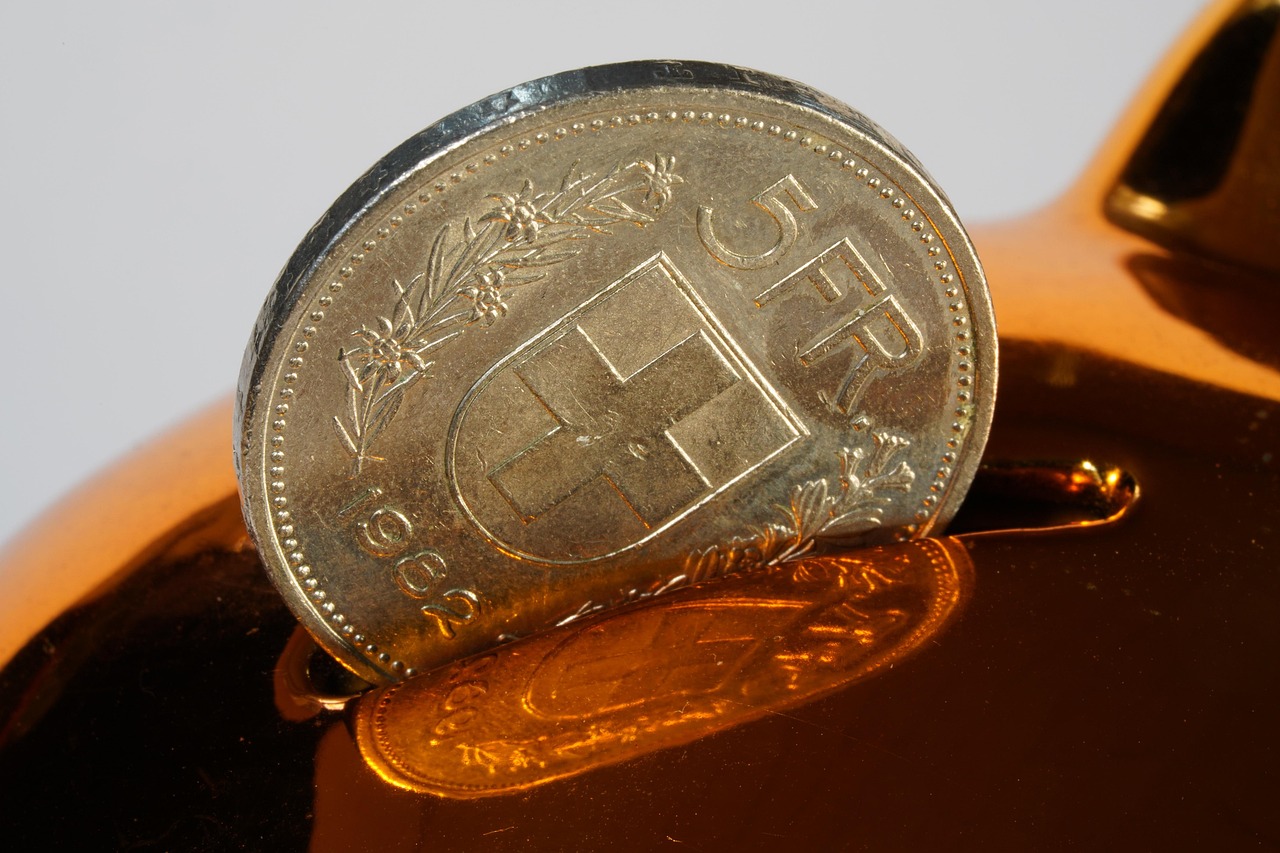
Beyond shares, bonds, and property, there is a world of “alternative” investments that attract growing interest from UK investors. Fine art, vintage wine, rare whisky, classic cars, luxury watches, gold, farmland, and private equity all fall under this umbrella. Some have delivered remarkable returns over the years. But alternatives come with unique risks, costs, and tax implications that are very different from mainstream investments. This guide explains the main alternative asset classes, how they actually work in practice, and what you need to know before committing your money.
Key takeaways
- Alternative investments include art, wine, whisky, classic cars, watches, gold, farmland, and forestry
- Many tangible assets (wine, whisky, cars, watches) are exempt from Capital Gains Tax as wasting assets
- UK Gold Sovereigns and Britannias are CGT-exempt because they are legal tender
- Transaction costs are high across alternatives — auction fees, storage, insurance, and dealer margins eat into returns
- Most advisers suggest limiting alternatives to 0–10% of your portfolio
- Fraud is a significant risk in almost every alternative asset class — due diligence is essential
What Are Alternative Investments?
“Alternative investments” is a broad label for anything that falls outside the traditional categories of cash, equities (shares), bonds, and standard property. They include:
- Tangible / collectible assets — fine art, wine, whisky, classic cars, watches, coins, stamps, rare books
- Commodities — gold, silver, platinum, and other precious metals
- Real assets — farmland, forestry, infrastructure
- Private markets — private equity, venture capital, hedge funds
- Digital assets — cryptocurrency (covered in our separate crypto guide)
The appeal is typically diversification (returns that don’t move in lockstep with the stock market), inflation protection (physical assets may hold value when currencies weaken), and sometimes simply passion — people enjoy owning beautiful or rare objects.
But the practical realities are often less glamorous than the headlines suggest.
Fine Art
Art has been a store of wealth for centuries. High-profile auction results regularly make the news, and art indices suggest long-term returns that can rival equities.
How it works
- You buy original works from galleries, dealers, auction houses (Christie’s, Sotheby’s, Bonhams, Phillips), or directly from artists
- Returns come entirely from capital appreciation — art produces no income (no dividends, no interest, no rent)
- Fractional ownership platforms (such as Masterworks and Yieldstreet) now allow smaller investments in shares of individual artworks, though these are relatively new and illiquid
The reality
- Survivorship bias is extreme — the art market indices track only works that resell at auction. The vast majority of art purchased never resells, or resells at a loss. The headline “art returns 8% per year” figures do not reflect the typical buyer’s experience.
- Transaction costs are very high — auction houses charge buyer’s premiums of 20–26% on top of the hammer price, plus seller’s commissions of 5–15%. A round trip (buy and sell) can easily cost 30–40% in fees.
- Storage, insurance, and conservation costs are ongoing and can be significant for valuable works.
- Authenticity and provenance are critical — fakes are common, and provenance disputes can make works unsaleable.
- Liquidity is poor — selling can take months or years, and there is no guarantee of finding a buyer at your expected price.
UK tax treatment
- Gains on art sales are subject to Capital Gains Tax (CGT) if the item is worth more than £6,000 at the time of disposal (the “chattels” exemption)
- Art held as a wasting asset (with a predictable useful life of 50 years or less) may be exempt from CGT, though original fine art is generally not considered a wasting asset
- Art is exempt from Inheritance Tax (IHT) if it qualifies as a “national heritage” asset under conditional exemption, but this is rare and comes with public access obligations
Fine Wine
Fine wine has established itself as a recognised alternative asset class, with dedicated indices, bonded storage infrastructure, and an active secondary market.
How it works
- Investment-grade wine is typically Bordeaux, Burgundy, Champagne, Rhône, and increasingly Italian and Californian wines from top producers and exceptional vintages
- Wine is bought “in bond” (stored in HMRC-approved bonded warehouses) to avoid paying duty and VAT until the wine is released for consumption
- The main secondary market operates through merchants (Berry Bros. & Rudd, Justerini & Brooks, Farr Vintners, Corney & Barrow) and exchanges (Liv-ex, the London International Vintners Exchange)
- Wine is a consumable, depleting asset — as bottles are drunk, rarity increases, which can drive prices up over time
Returns
- The Liv-ex Fine Wine 1000 index tracks the secondary market price of 1,000 wines. Over the long term, fine wine has returned roughly 8–10% annualised, though with significant variation by region and vintage.
- Returns are highly concentrated — a small number of “blue chip” wines (top Bordeaux, Burgundy Grand Crus, Champagne prestige cuvées) drive most of the market’s performance.
Costs and risks
- Storage — bonded warehouse fees typically run £10–£15 per case per year
- Insurance — usually included in storage fees or a small additional charge
- Merchant margins — buying and selling spreads can be 10–20%
- Condition risk — provenance, storage history, and bottle condition critically affect value
- Fraud — counterfeit wine is a real problem, particularly for older and rarer bottles
UK tax treatment
- Wine is classified as a wasting asset (with a predictable useful life of less than 50 years) and is therefore exempt from CGT
- This makes wine one of the few assets where gains are entirely tax-free, which is a significant advantage over shares or property
- However, if wine is held as trading stock (i.e. you are buying and selling frequently as a business), profits would be subject to income tax
Rare Whisky
Rare Scotch whisky has been one of the best-performing alternative assets of the past decade, attracting serious investor attention alongside traditional collectors.
How it works
- Investment focuses on single malt Scotch whisky, particularly limited editions, old age statements, closed (“silent”) distilleries, and cask-strength releases from prestigious distilleries
- You can invest in bottles (finished product) or casks (maturing whisky still in the barrel)
- The main auction houses for whisky are Whisky Auctioneer, Scotch Whisky Auctions, and Bonhams
- The Rare Whisky 101 Apex 1000 Index tracks the secondary market value of 1,000 collectable single malts
Returns
- The Rare Whisky 101 Apex 1000 rose from a base of 100 in 2008 to over 580 by 2024 — roughly 12% annualised. However, this period includes a significant boom in Asian demand and may not be repeatable.
- Individual bottles from sought-after distilleries (Macallan, Dalmore, Springbank, Brora, Port Ellen) have seen extraordinary appreciation, but these are the “blue chips” — most whisky does not appreciate.
Cask investment: buyer beware
- Cask investment has attracted significant scam activity. The Scotch Whisky Association, Trading Standards, and the FCA have all issued warnings.
- Common scams involve companies selling casks at massively inflated prices, providing false valuations, or selling casks that do not exist.
- If you are considering cask investment, verify the cask exists with the distillery, use an independent valuer, check the seller’s credentials thoroughly, and be extremely cautious of guaranteed return claims.
- Legitimate cask investment typically involves annual storage and insurance costs of £100–£300+ per cask, plus bottling costs if you want to sell the finished product.
UK tax treatment
- Like wine, bottled whisky is classified as a wasting asset and is exempt from CGT
- Cask whisky’s tax treatment is more complex. HMRC’s view on whether a maturing cask is a wasting asset is less clear-cut than for bottles, and professional tax advice is recommended for significant cask holdings.
- Duty and VAT become payable when whisky is removed from bond
Classic Cars
Classic and vintage cars have delivered strong returns historically, though the market has cooled from its 2014–2015 peak.
How it works
- The market spans everything from affordable classics (£10,000–£50,000) to seven-figure collector cars
- The HAGI Top Index (Historic Automobile Group International) and Hagerty UK Index track classic car values
- Sales take place through specialist dealers, auction houses (Bonhams, RM Sotheby’s, Gooding & Company, Silverstone Auctions), and private transactions
Costs and practical realities
- Storage — £100–£500+ per month for climate-controlled professional storage
- Insurance — specialist agreed-value policies, typically £500–£3,000+ per year depending on value
- Maintenance — classic cars require regular servicing, and specialist parts and labour can be very expensive
- Restoration — costs frequently exceed expectations and timelines. A “light restoration” can easily reach £30,000–£100,000+.
- Auction fees — buyer’s premiums of 10–15%, plus seller’s commission
UK tax treatment
- Cars are wasting assets (predictable useful life under 50 years) and therefore exempt from CGT
- This is one of the most attractive features of classic car investment — gains are entirely tax-free regardless of amount
Luxury Watches
The luxury watch market exploded during 2020–2022 before correcting sharply, offering a useful lesson in speculative alternative assets.
How it works
- Investment interest focuses on Rolex, Patek Philippe, Audemars Piguet, and a handful of independent makers
- Specific models drive the market: Rolex Daytona, Submariner, GMT-Master II; Patek Philippe Nautilus, Aquanaut; AP Royal Oak
- New purchases from authorised dealers (often with significant waiting lists) and secondary market purchases through dealers, auction houses, and platforms like Chrono24 and Watchfinder
The reality
- During 2020–2022, popular Rolex sport models traded at 2–3x retail price on the secondary market. By 2023–2024, many had fallen 30–50% from peak, though some remain above retail.
- The vast majority of watches depreciate the moment you walk out of the shop. Only a tiny fraction of models from a handful of brands appreciate over time.
- Counterfeits are sophisticated and widespread — always buy from reputable sources and keep all documentation.
- Running costs are modest (occasional servicing every 5–10 years, typically £300–£1,000+ depending on complexity), but insurance for high-value pieces is an ongoing expense.
UK tax treatment
- Watches are wasting assets and exempt from CGT — the same favourable treatment as cars and wine
Gold and Precious Metals
Gold is the oldest and most established alternative asset, traditionally seen as a store of value, inflation hedge, and safe haven during market turmoil.
Ways to invest
- Physical gold — coins (Sovereigns, Britannias) and bars, stored at home, in a bank safe deposit box, or with a professional vaulting service (e.g. The Royal Mint, BullionVault)
- Gold ETFs/ETCs — exchange-traded products that track the gold price (e.g. iShares Physical Gold, Invesco Physical Gold). These trade on the stock exchange like shares.
- Gold mining shares — equity in companies that mine gold. These add company-specific risk on top of the gold price.
- Gold accounts — allocated or unallocated gold held through a dealer or bank
UK tax treatment
- UK Gold Sovereigns and Britannias are exempt from CGT because they are legal tender (this is a unique and valuable benefit)
- Other physical gold (bars, foreign coins) is subject to CGT in the usual way, though the chattels exemption (items under £6,000) may apply
- Gold ETFs/ETCs are subject to CGT like any other investment — but can be held within an ISA or SIPP for tax-free gains
- Physical gold is VAT-exempt (investment gold is zero-rated for VAT in the UK), but silver and platinum coins/bars are subject to 20% VAT
Farmland and Forestry
Agricultural land and forestry have been quietly strong performers over the long term, combining income with capital growth and attractive tax benefits.
Farmland
- UK farmland prices have risen significantly over the past two decades, driven by scarcity, institutional investment, and tax benefits
- Farmland can generate income through rental (letting to tenant farmers) or through in-hand farming
- The Savills Farmland Value Survey and Knight Frank Farmland Index track prices
- Agricultural Property Relief (APR) can provide up to 100% relief from Inheritance Tax, making farmland an important estate planning tool (though the rules are complex and subject to change; see current GOV.UK guidance)
- Minimum entry point is typically £200,000+ for a small parcel
Forestry
- Commercial forestry enjoys some of the most favourable tax treatment of any UK asset class
- Income from timber sales is exempt from income tax and CGT
- Forestry land can qualify for 100% Business Property Relief from IHT after two years
- Returns come from timber harvesting income plus land value appreciation, typically 3–8% combined over the long term
- Forestry is a very long-term investment — timber rotation cycles are typically 25–40+ years
How Much to Allocate to Alternatives
Most financial advisers suggest that alternative investments should form a small, satellite portion of your overall portfolio — not the core.
Common guidance:
- 0–10% of total investable assets for most investors
- Up to 15–20% for wealthy investors with long time horizons and high risk tolerance
- Never put money into alternatives that you cannot afford to lose entirely
The core of a sound financial plan — pensions, ISAs, a diversified portfolio of equities and bonds, an emergency fund, appropriate insurance — should always come first. Alternatives are for discretionary capital, after the fundamentals are in place.
Tax Summary: Alternative Assets at a Glance
| Asset | CGT | IHT Relief | VAT on Purchase |
|---|---|---|---|
| Fine art | Yes (chattels >£6k) | Conditional exemption (rare) | 20% (or margin scheme) |
| Fine wine (in bond) | Exempt (wasting asset) | None | None while in bond |
| Whisky (bottles) | Exempt (wasting asset) | None | 20% (or in bond) |
| Classic cars | Exempt (wasting asset) | None | 20% (or margin scheme) |
| Watches | Exempt (wasting asset) | None | 20% |
| Gold Sovereigns/Britannias | Exempt (legal tender) | None | Exempt |
| Other physical gold | Yes (standard CGT) | None | Exempt (investment gold) |
| Farmland | Yes (standard CGT) | APR up to 100% | Exempt |
| Forestry (timber income) | Exempt | BPR up to 100% | Exempt |
Tax rules can change. Always check the latest position on GOV.UK or consult a tax adviser for your specific circumstances.
Key Risks Across All Alternatives
Whatever the asset class, alternative investments share several common risks:
- Illiquidity — most alternatives cannot be sold quickly or at a predictable price. You may wait months or years for a buyer.
- No income — most collectible assets produce no cash flow. Your return depends entirely on finding a buyer willing to pay more than you did.
- High transaction costs — auction fees, dealer margins, storage, insurance, and conservation can significantly erode returns.
- Valuation difficulty — there is no live price screen. Valuations are subjective and can vary dramatically between experts.
- Fraud and counterfeits — every alternative asset class has a fraud problem. Due diligence is essential.
- No FSCS protection — if a storage company, dealer, or fractional investment platform fails, you are not covered by the Financial Services Compensation Scheme.
- Fashion risk — tastes change. What is desirable today (certain wine regions, watch models, art movements) may not be tomorrow.
- Condition and storage — physical assets can be damaged, degraded, or destroyed. Proper storage and insurance are non-negotiable.
Important: This article is for general educational purposes only and does not constitute financial advice. Tax rules can change and individual circumstances vary. If you need advice tailored to your situation, please consult a qualified, FCA-regulated financial adviser. You can browse advisers in our adviser directory.